AI Services
AI Development
We develop the methods that turn your data into reliable results: machine learning, AI pipelines, agents, multimodal analysis, and hybrid models.

Solutions
Detecting, tracking, and understanding people in camera images: position, motion, posture, gestures, and face – with high detection performance and a low false alarm rate.
Manufacturers and operators of vehicles, machines, robots, and transport systems, providers of therapy and healthcare solutions, and those responsible for security and public spaces.
We deliver person detection as a software component for your system: in the vehicle, on the machine, on an embedded computer, or on the server. Where needed, we supplement camera systems with tactile sensors or laser sensors.
Person detection is a core competency of FusionSystems. Our detection software stands out for its high detection performance combined with low false alarm rates. The consistent use of tracking methods provides the necessary stability of detection.
Do you need information on whether people are present in a scene, want to know where they are and where they are moving, or want to detect posture and gestures? Then we offer you the right solution.
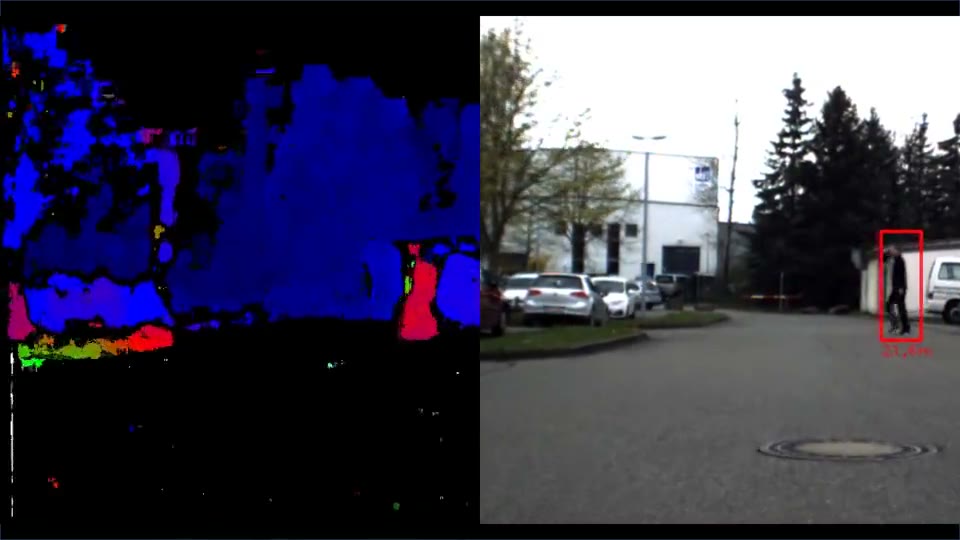
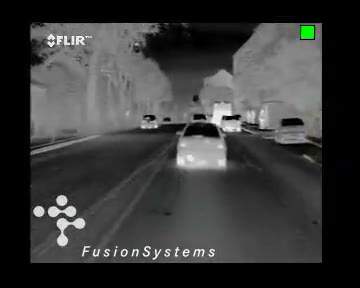
We work with various camera systems: colour cameras, stereo cameras for three-dimensional capture, and thermal cameras for the night. Where the task requires it, tactile sensors or laser sensors support the camera.
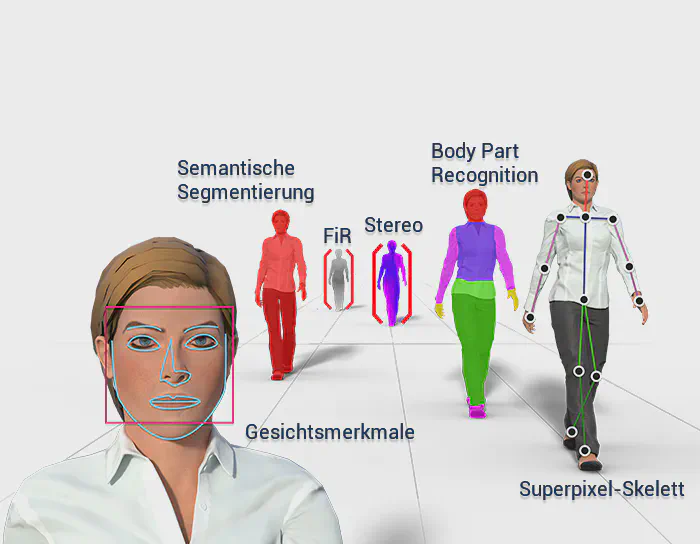
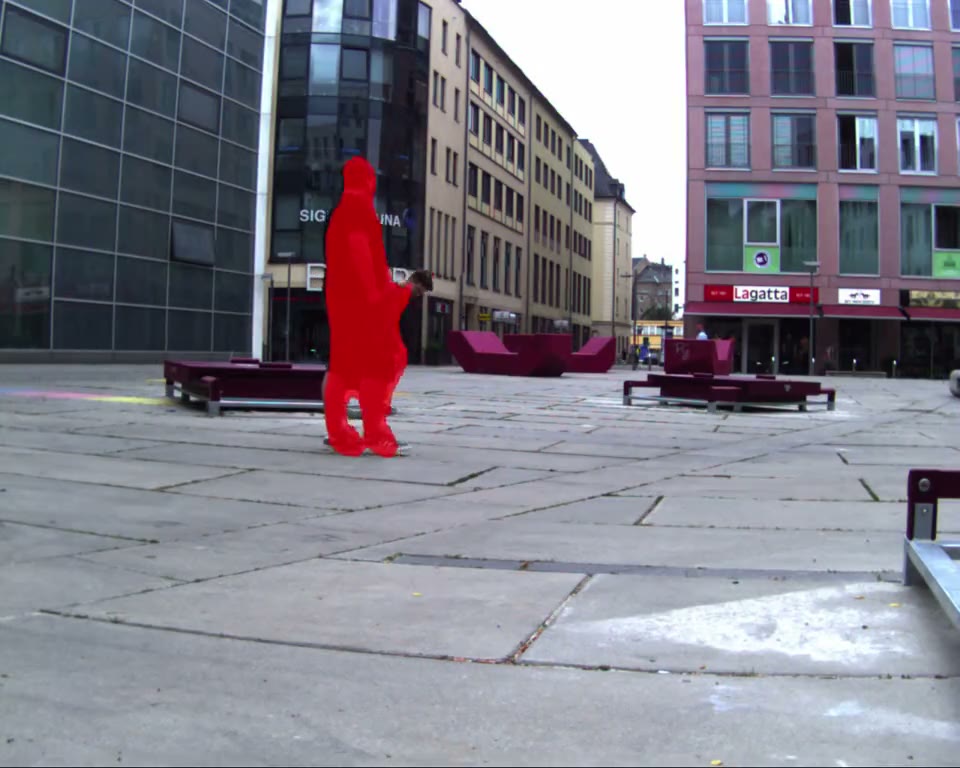
Machine learning with deep neural networks (deep learning) delivers reliable results for person detection. Intelligent detectors find people in the image. Semantic segmentation determines their outline with pixel accuracy and assigns body parts: head, arms, hands, legs, torso. This results in precise motion capture. Tracking follows each person through the image sequence and keeps detection stable.
For many applications, it is not enough to know that a person is present. What matters is what the person is doing. Pose estimation determines the position of the body parts and joints and derives a skeleton model from them. The sequence of poses yields motion, posture, and gestures. Large gestures are captured just as well as very fine movements, without markers and without devices on the body.
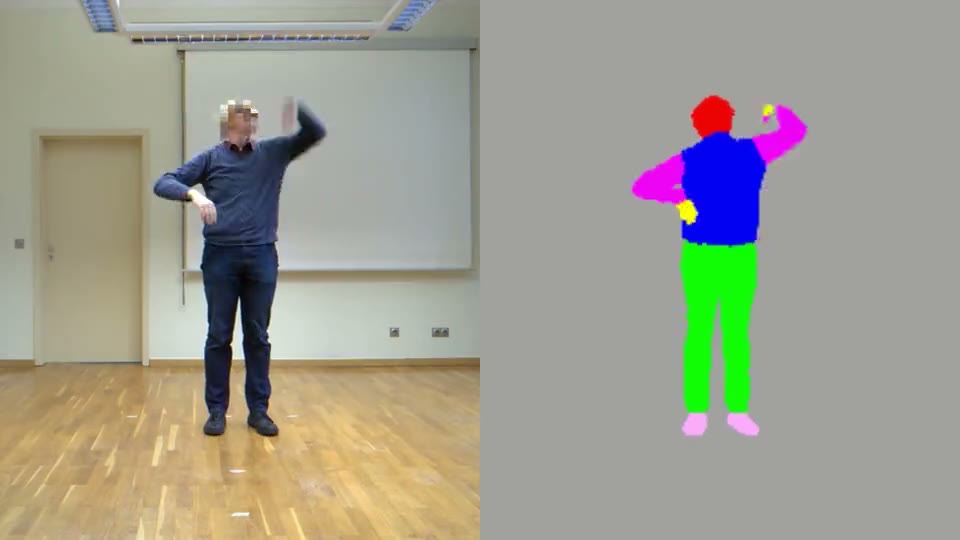
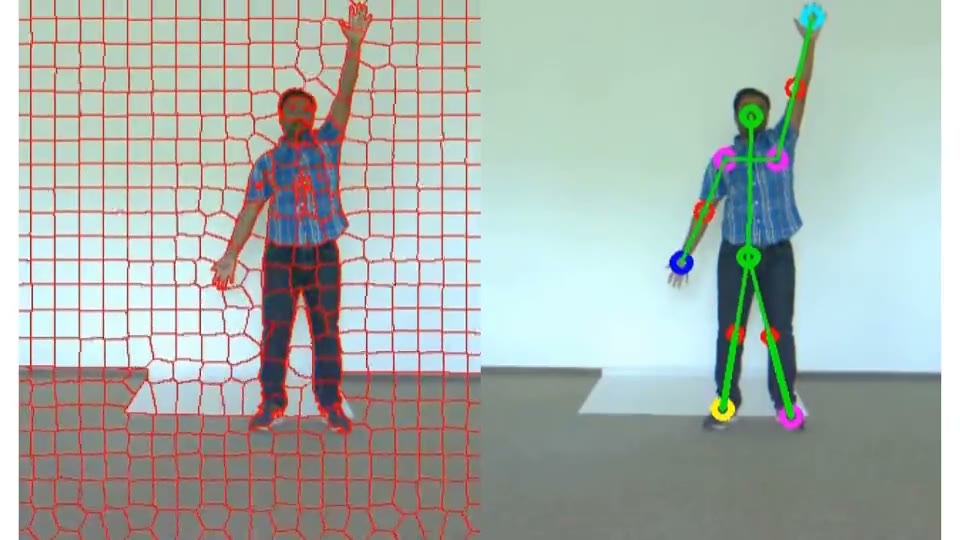
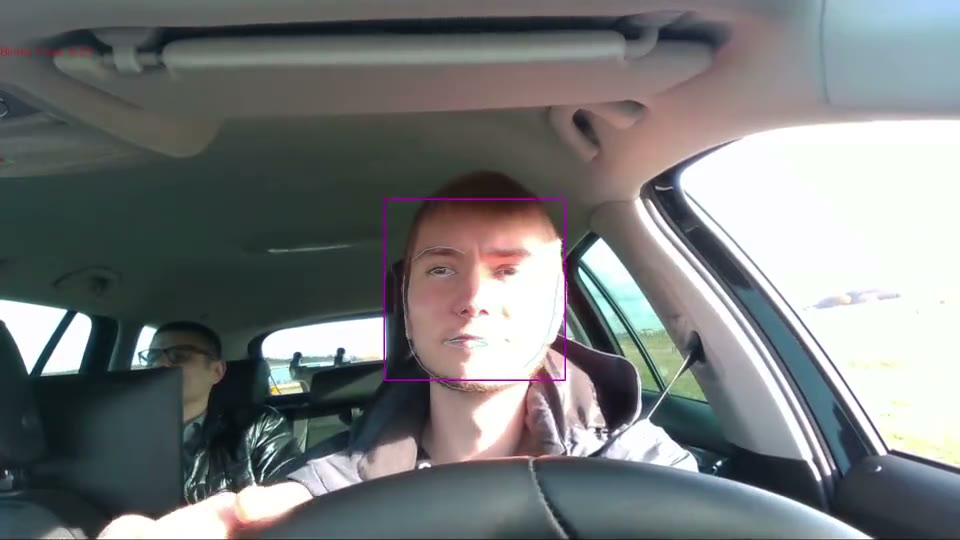
Face detection finds faces in the image and determines facial features such as eyes, nose, and mouth. In the vehicle, this is used to analyse the driver and other occupants, for example with regard to their perceived comfort. The same detection serves to protect privacy: faces in image and video data are automatically obscured or anonymised.
Typical applications of person detection are found in human-machine interaction, production and logistics, security, automotive, therapy, and healthcare.
In the automotive sector, the detection of people is used outside and inside the vehicle. In the vehicle environment, people and other objects are detected and evaluated for driver assistance and automated driving. In the interior, face detection analyses the driver and occupants. Learn more under Automotive and Mobility.
In production, the detection of people is important for automated guided vehicles, robot systems, and other machines. It serves human safety and opens up new forms of human-machine interaction: machines can be controlled with gestures, and assembly becomes easier. Learn more under Manufacturing and Mechanical Engineering.
Therapy and healthcare benefit from person detection above all through the capture of posture and movement. This enables natural interaction with patients. In rehabilitation as in prevention, posture and range of motion provide insight into the patient, and therapy outcomes can be documented. In work with people with physical or cognitive impairments, motion tracking encourages movement through play. One example is the MotionComposer, which translates movement into music; learn more under Healthcare and Human-Machine Interaction.
In public areas, person detection analyses the occupancy of squares and rooms and derives evaluations and recommendations from it. The analysis of movement sequences and the recognition of intentions are important features here. To protect privacy and anonymity, faces are obscured.
We describe the underlying methods under Vision AI and Sensor Fusion & Physical AI.
AI Services
We develop the methods that turn your data into reliable results: machine learning, AI pipelines, agents, multimodal analysis, and hybrid models.
AI Services
AI becomes usable where the work is done: as a function in existing software, as an interface, or as a separate application in your system landscape.
AI Technologies
Image-based and video-based AI, grown out of many years of experience in industrial machine vision.
AI Technologies
Combining information from different physical measurement sources – camera, radar, LiDAR, and other sensors – as the basis for systems that act in the real world.
Solutions
Multi-sensor environment perception for machines that move on their own: automated guided vehicles on the shop floor, mobile robots in manufacturing, and mobile machinery in the field.
Industries
Environment perception, sensor data fusion and digital environment models, plus AI support for the software engineering process.
Industries
Motion analysis, contactless interaction and sensor-based assistance for therapeutic and interactive complete systems.
Industries
Preserve experience-based knowledge, manage variants, and use image and sensor data to assess condition and quality.
Projects & References
A therapy device that turns physical movement directly into music and sound – contactless and in real time.
Projects & References
Perception in the vehicle and the digital environment model of the operating area work hand in hand: what the vehicle detects becomes permanently usable knowledge about the environment.
Whether a first AI adoption or a complex development task – we discuss the requirements and suitable next steps with you.